The history assignment that prepares students for the workforce

Savannah Behrends
Copywriter and features editor | August 25, 2026




Did you know learning about the past could actually improve your future? Exploring previous civilizations teaches individuals historical empathy — and empathy, according to Forbes and Indeed, is one of the top qualities employers look for today.
Before she knew the term “historical empathy,” MCC World Civilizations and U.S. History instructor Bonnie Brennan was already teaching the concept through Artifact Day.
“We have a lot of students in the trades or culinary programs, so I wanted to show them how that connects with people of the past,” Brennan said.
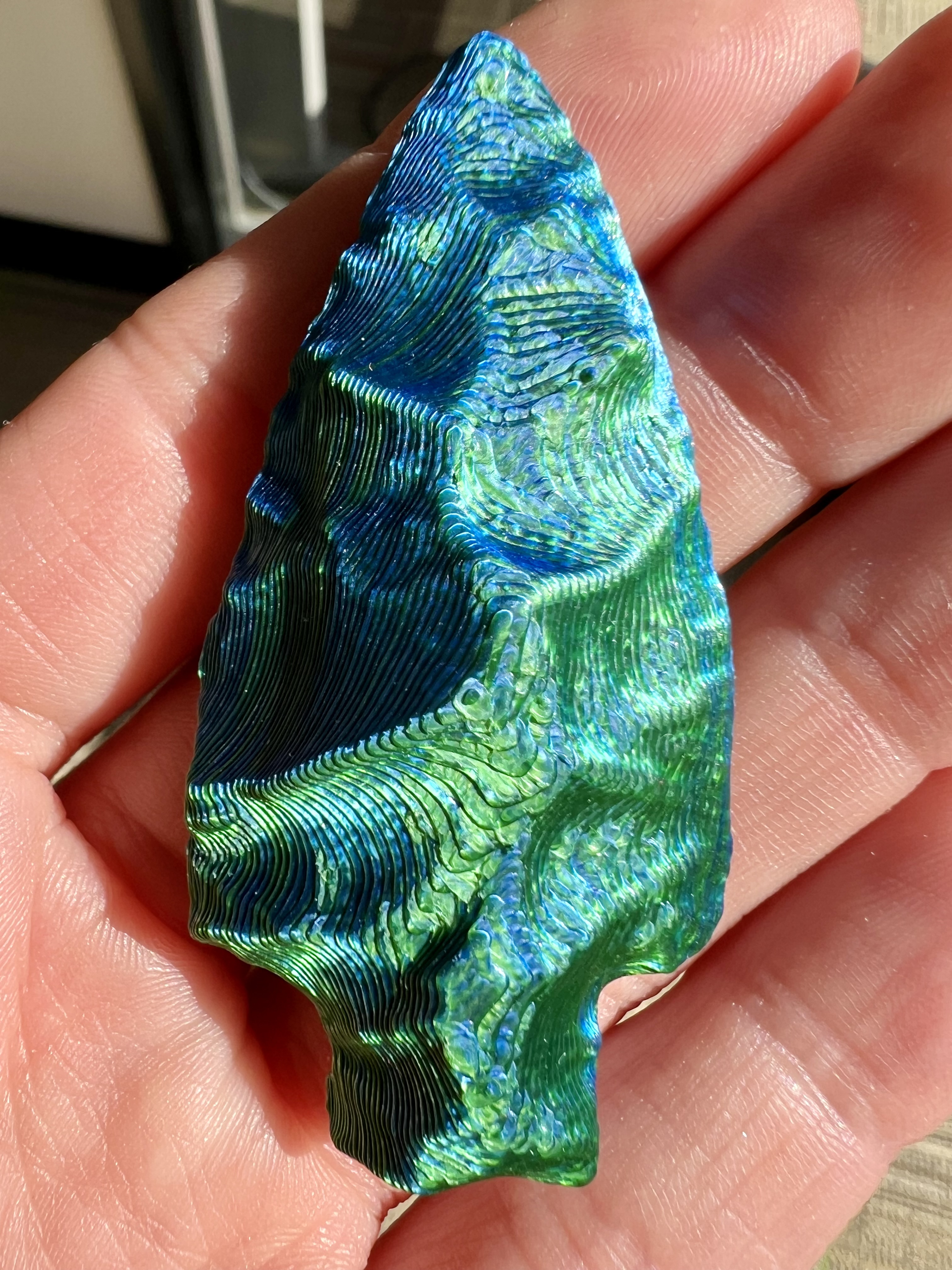
3D printed arrowhead
One student found scans of real arrowheads and projectile points in a museum and 3D printed an arrowhead for everyone in class.
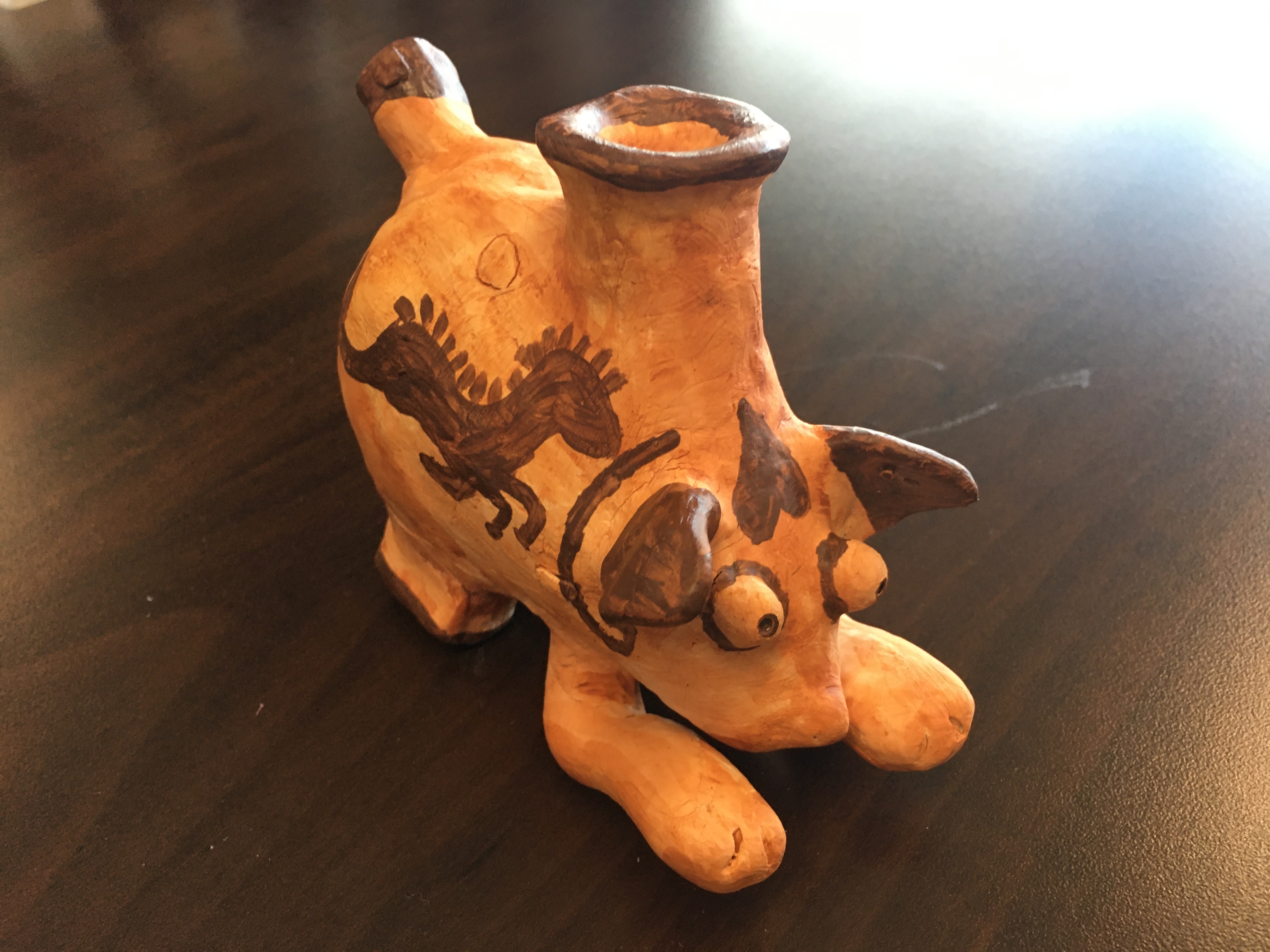
Ancient Greece sippy cup
One student brought her daughter to class to demonstrate how the clay sippy cup from ancient Greece worked.
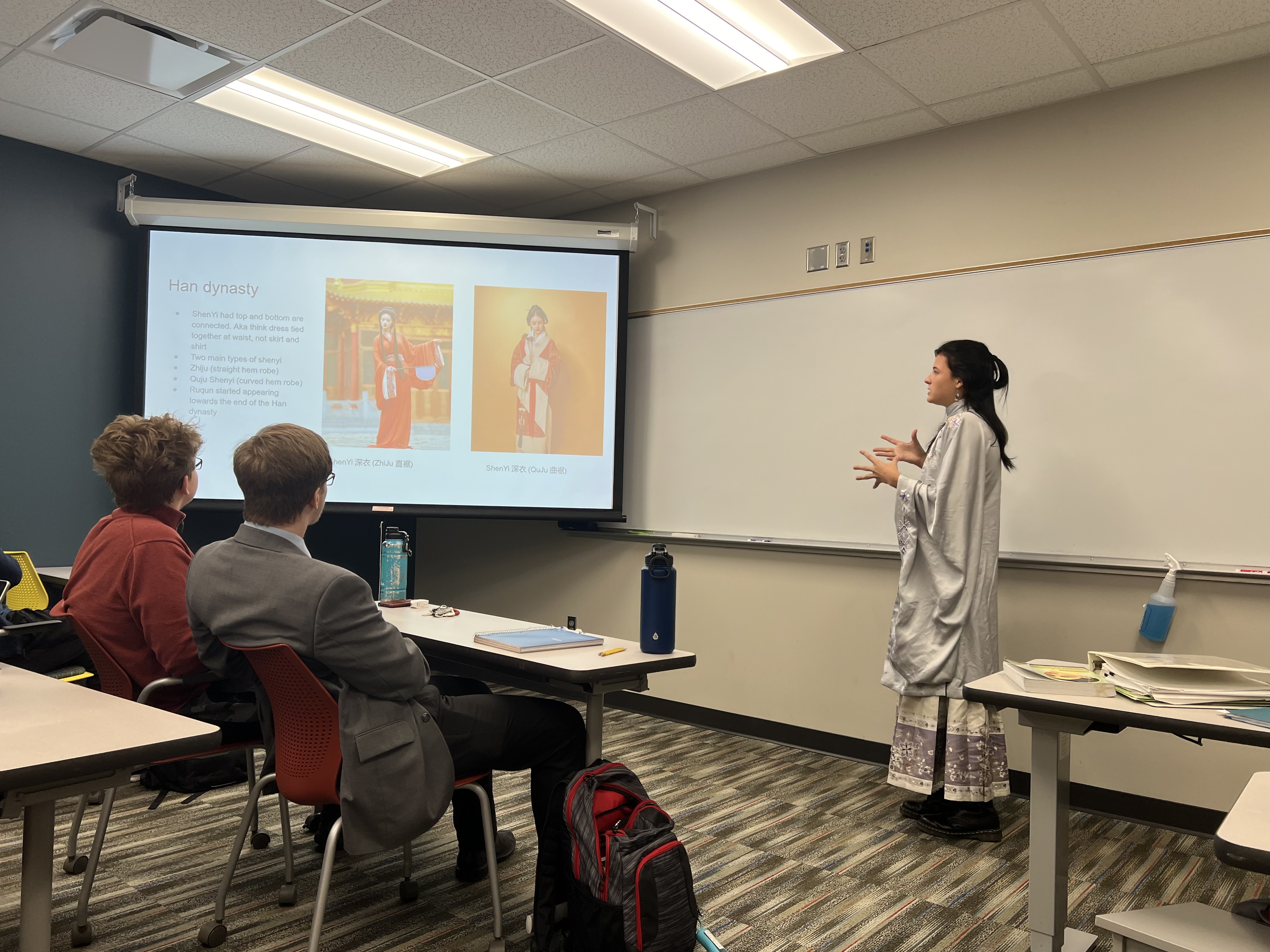
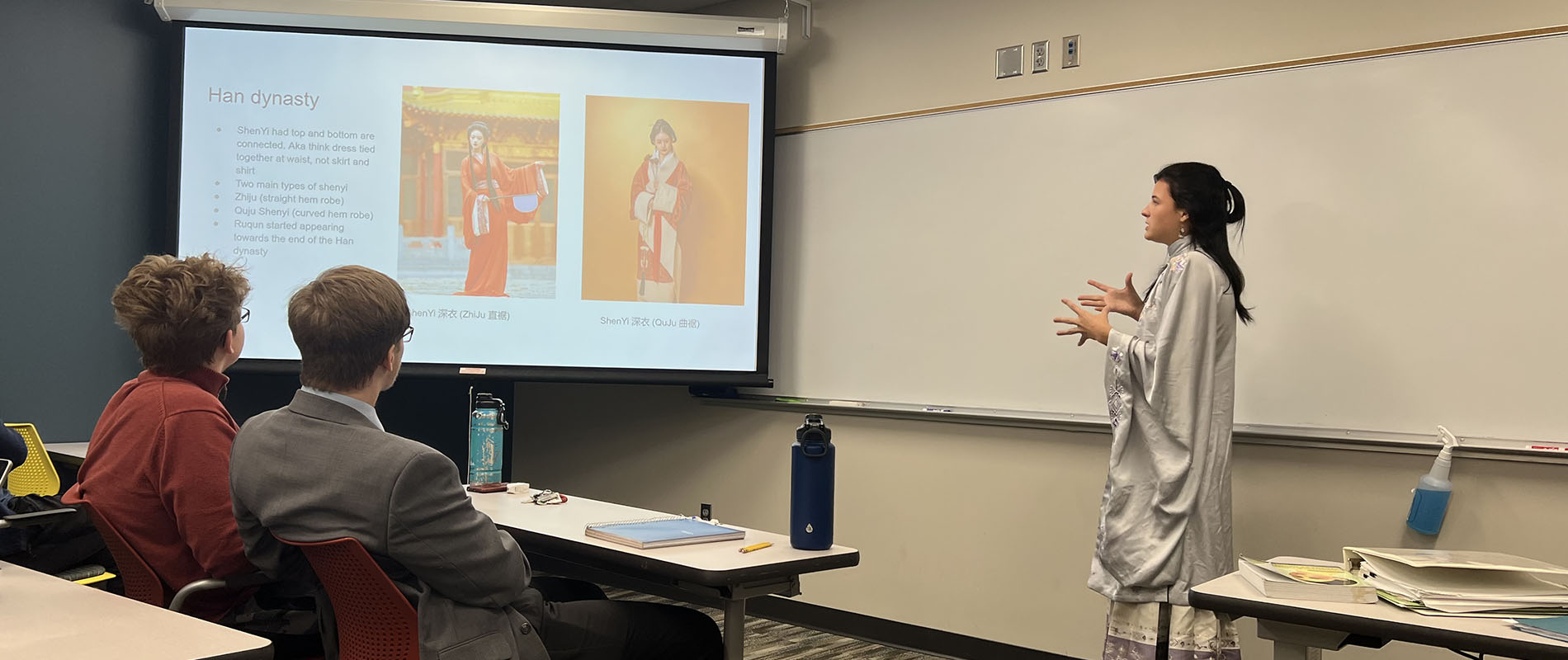
Han Dynasty robe
Clothing, like the Han Dynasty robe showed here, are often selected for recreation.
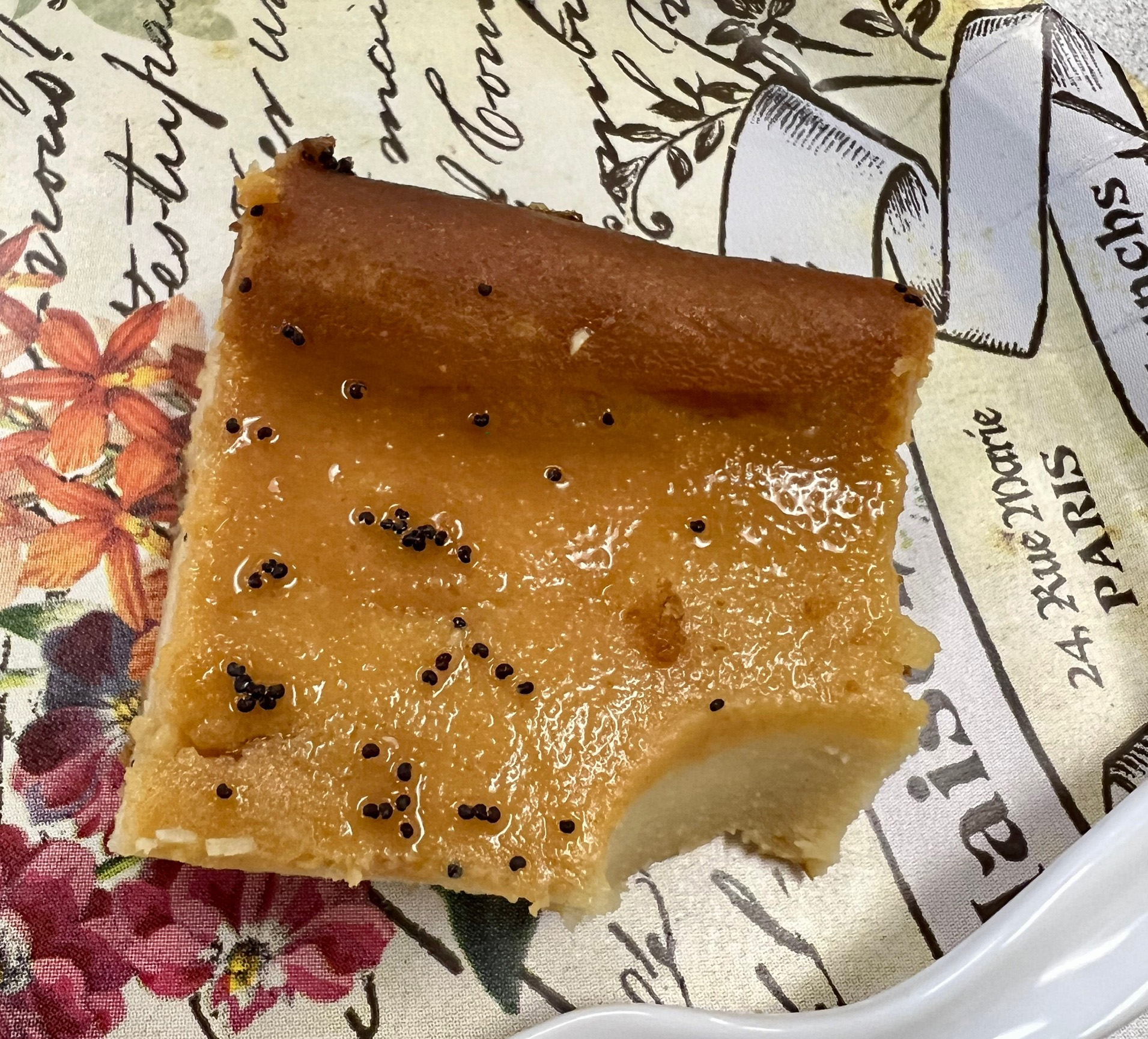
Roman cheesecake
Students have recreated food and beverage items, like the Roman cheesecake pictured here.
Assigned at the start of each quarter, the project challenges students to recreate something that was important to a past civilization using modern technology.
Through that exploration, students connect with people from the past while developing real-world skills like research, critical thinking and time management.
Students are encouraged to choose something that interests them and have the entire quarter to explore their topic.
A common discovery for students who decide to recreate baked goods is the difference in direction provided in cookbooks.
“The cookbooks won’t give you something like 400 degrees for 45 minutes — they’ll say something like ‘In a slow oven, bake until done.’ Students have to think through why those are the directions — in those days, they didn’t know the exact temperature. Then they have to figure out the temperature of a ‘slow oven,’” Brennan said.
One student decided to recreate mourning jewelry from the Victorian era.
“When someone died, loved ones would use their hair or other keepsakes to make jewelry to remember them by,” Brennan said. “That led to a really good discussion about how lucky we are to have photographs.”
Another student recreated one of the oldest known recipes for Babylonian lamb stew. Reflecting on the experience, the student wrote, “I sampled the stew. The meat was tender, there were lots of unique flavors — and I hated it.”
The assignment hit closer to home for one student who had recently begun to lose her eyesight. A lifelong board game lover, the student decided to research past board games and found the Royal Game of Ur.
The two-player game is one of the oldest known board games, originally played in ancient Mesopotamia over 4,500 years ago.
“What really excited her was the board game textures and the idea that she could still play a game without her sight,” Brennan said.
At Brennan’s suggestion, the student went to the Prototype Design Lab on the Fort Omaha Campus where lab technicians helped her use a CNC router table and laser engraver to recreate the game.
In bringing the Royal Game of Ur to life, this student not only connected with an ancient civilization but also reimagined what accessibility could look like in her own future.
That’s the goal of Artifact Day. It’s not just about recreating the past; it’s about discovering how the past shapes the way we think, solve problems and connect with others today.
By stepping into the shoes of those who lived centuries ago, students leave the assignment with more than a finished project. They gain perspective, adaptability and a deeper understanding of people — skills that extend far beyond the classroom and into whatever path they choose next.